The famous “air-purifying plants” study has been oversold for decades. It was run in a sealed laboratory chamber, and the number of plants you would need to clean the air in a real room runs into the dozens per space, not the two or three on your shelf. That does not make houseplants pointless; it means you should keep them for the right reasons. Here is what indoor plants actually do for your home, and the tough, low-maintenance varieties that genuinely thrive with warmth, variable light, and inconsistent watering.
The honest case for houseplants is wellbeing, a little humidity, and how a room feels, with any air-cleaning effect a minor bonus. Once you drop the purification myth, choosing plants becomes simple: pick ones that survive your light and your habits.
What indoor plants really do
Plants add a little humidity, soften hard surfaces, and reliably lift mood and reduce stress, which is reason enough to keep them. What they do not do, in realistic numbers, is meaningfully scrub pollutants or fine dust from your air. For genuinely cleaner indoor air, ventilation, keeping outdoor dust out, and an air purifier do the real work. Treat plants as living decor that makes a home pleasant, and they will never disappoint you.
Best low-maintenance plants
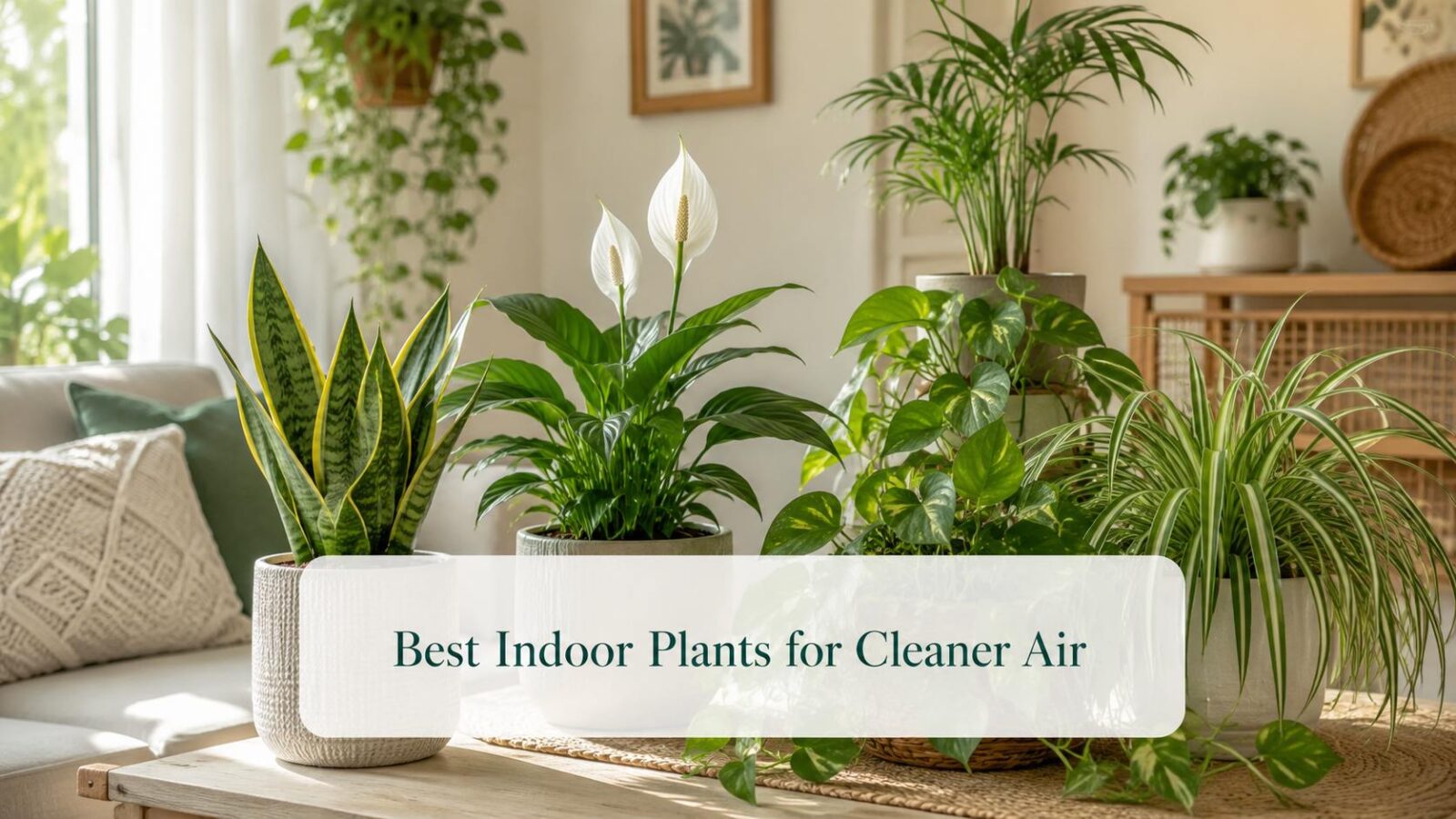
Snake plant (Sansevieria)
Nearly indestructible, thriving in low light and tolerating long gaps between watering. It handles warmth well and is the ideal first plant for anyone convinced they kill greenery.
Pothos (money plant)
A trailing vine that grows almost anywhere, in soil or even a jar of water, and forgives neglect. Cheap, fast, and easy to propagate.
ZZ plant
Glossy and drought-tolerant, storing water in its roots so it shrugs off a forgetful owner. One of the toughest choices for a dim corner.
Areca palm
A larger, leafy plant that adds humidity and a tropical look, and copes well with warmth in bright, indirect light. Good for living rooms with some natural light.
Spider plant
Forgiving, fast-growing, and safe around pets, producing baby plantlets you can repot and share. Happy in a range of light levels.
Keeping them alive
In warm homes, the two killers are overwatering and harsh direct sun through a hot window. A few rules cover almost everything.
- Water only when the top inch or two of soil is dry; most of these plants prefer drying out between drinks.
- Use pots with drainage holes, since standing water rots roots fast in the warmth.
- Keep plants out of scorching midday sun, which burns leaves; bright, indirect light suits most.
- Dust the leaves occasionally so they can breathe and photosynthesise.
- Repot every year or two as they outgrow their containers.
From houseplants to growing your own
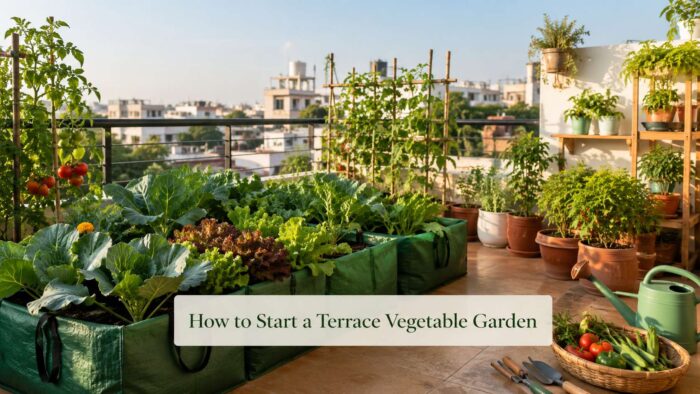
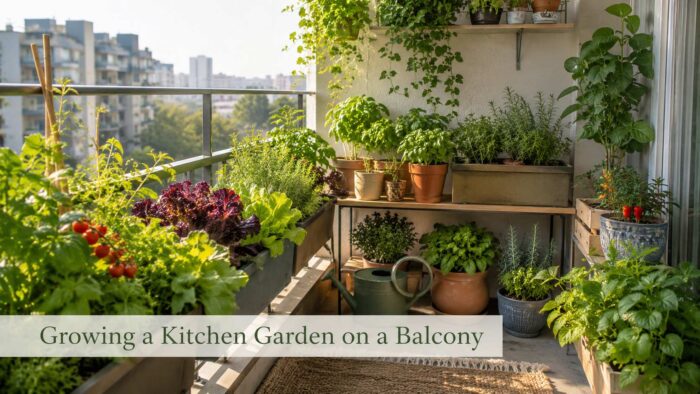
If keeping a few plants alive gives you the bug, the natural next step is growing something you can use. A pot of herbs or greens needs little more care than a pothos, and a sunny balcony or terrace can do far more, as our guide to a terrace vegetable garden explains. Pair that with home composting and your plants feed themselves, closing a small but satisfying loop that also features in our 25 ways to a greener home.
Are these plants safe around pets and children?
Worth checking before you buy, because several popular houseplants are mildly toxic if chewed. A quick guide for the plants above:
- Snake plant, pothos, and ZZ plant are mildly toxic to cats, dogs, and small children if eaten, usually causing only minor irritation but best kept out of reach.
- Spider plant and areca palm are considered pet-safe and a better choice if you have curious animals or toddlers.
- When in doubt, place trailing and low plants high up, and choose the safer varieties for floor level.
None of this is cause for alarm, but a little placement sense avoids an unhappy pet and an anxious afternoon.
Common mistakes
- Buying plants to purify the air and expecting a measurable effect.
- Overwatering, which is the leading cause of houseplant death in warm homes.
- Placing plants in harsh direct sun that scorches the leaves.
- Using pots without drainage, trapping water and rotting the roots.
- Buying more plants than your light and routine can actually keep alive.
Editor’s note
If you have killed houseplants before, the culprit was almost certainly too much water and too much sun, not too little care. Start with one snake plant or pothos, water it only when the soil has dried, and keep it in bright, indirect light. Let it prove you can keep a plant alive before you buy a shelf full. A single thriving plant does more for a room, and your confidence, than five struggling ones bought in a hopeful weekend.
Frequently asked questions
Do indoor plants really clean the air?
Not in meaningful amounts in a normal room. The well-known study used a sealed chamber, and real homes would need dozens of plants for measurable effect. Keep plants for wellbeing and looks, and use ventilation or a purifier for air quality.
Which indoor plant is hardest to kill?
The snake plant, closely followed by pothos and the ZZ plant. All three tolerate low light, warmth, and irregular watering, making them ideal for beginners.
How often should I water indoor plants?
Less often than you expect. Let the top inch or two of soil dry between waterings; in warm rooms that is often once a week or less. Overwatering, not underwatering, is the usual killer.
Why are my plant’s leaves turning yellow?
In a warm home, yellowing leaves usually mean overwatering rather than thirst. Let the soil dry further between waterings, make sure the pot drains freely, and move the plant out of any harsh direct sun. Occasional yellowing of the oldest leaves while new growth looks healthy is just normal ageing.
How much light do these plants actually need?
Most of the tough varieties here, snake plant, pothos, and ZZ plant, tolerate low to moderate light, which is exactly why they suit rooms without big windows. They will grow faster in bright, indirect light but survive in dimmer corners. The areca palm and spider plant prefer brighter indirect light to look their best. None of them want harsh, direct midday sun through glass, which scorches leaves, so a spot near a window but out of the direct beam suits almost all of them.
The bottom line
Keep indoor plants for how they make a room feel, not as air purifiers. Start with tough, low-maintenance varieties like snake plant, pothos, and ZZ plant, water sparingly, keep them out of harsh sun, and use pots with drainage. Get those basics right and you will enjoy healthy greenery, and perhaps graduate to growing herbs and vegetables of your own.