A home energy management system monitors what your house uses, shows you where it goes, and automates decisions about when to use it. The monitoring part is cheap and useful immediately; the automation part pays off mainly if you have a time-of-use tariff, solar generation or a battery.
The components
Whole-home monitoring. A clamp sensor on the incoming supply, or a smart meter feed, giving real-time and historical consumption. Better systems disaggregate the signal and identify individual appliances.
Circuit-level monitoring. Sensors in the consumer unit on individual circuits. More accurate than whole-home disaggregation and more expensive to install.
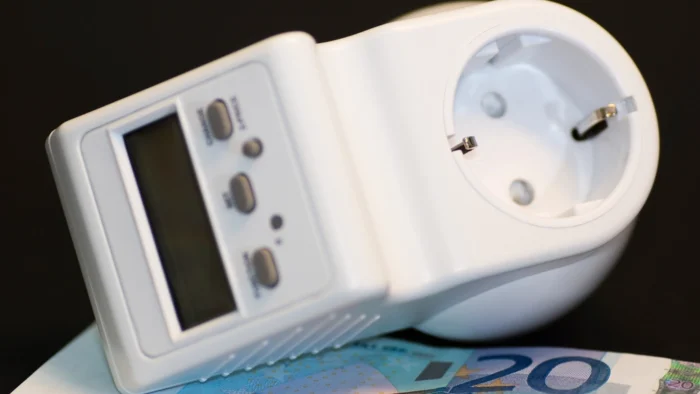
Smart plugs and switches. Per-device measurement and control at low cost, suitable for anything that plugs in.
Smart thermostat. Usually the single largest saving in the system, because heating dominates consumption.
Controllable loads. EV charger, water heater, heat pump, washing machine, dishwasher, pool pump – the devices whose timing can shift.
Generation and storage. Solar inverter and battery, with the management system deciding when to store, use or export.
A controller or hub that ties it together and runs the rules.
What it actually does
- Visibility. Most households are surprised by their baseline – the constant draw when nothing is apparently on. Finding and removing that is often the first real saving.
- Load shifting. Running the dishwasher, washing machine, water heater and EV charging during cheap-rate hours. Saves money rather than energy, and only works on a time-varying tariff.
- Solar self-consumption. Diverting surplus generation into the water heater or battery rather than exporting it cheaply.
- Peak avoidance. Staggering high-draw appliances where the tariff penalises peak demand.
- Fault detection. A freezer drawing more than usual, or an immersion heater stuck on, shows up quickly.
What it realistically saves
Monitoring alone tends to produce a modest reduction, mostly through behaviour change in the first months, and the effect fades unless the data stays visible. Automation with a time-of-use tariff produces a larger and more durable saving on cost, though not necessarily on energy. Smart heating control is where most of the genuine energy reduction comes from.
Anyone promising a dramatic cut from monitoring alone is overselling. The honest framing is that you cannot manage what you cannot see, and the system makes everything else more effective.
Starting cheaply
You do not need a whole platform. A sensible progression:
- Check whether your smart meter already offers an in-home display or app with half-hourly data – many do, free
- Add two or three smart plugs on suspected heavy loads
- Fit a smart thermostat, which usually has the clearest payback
- Add whole-home monitoring if you want the complete picture
- Add automation and scheduling once you have a tariff that rewards it
Choosing a system
- Open standards. Matter, Zigbee, Z-Wave or local APIs mean devices from different makers work together and keep working if a company folds
- Local control. Systems that function without the cloud keep working when the internet does not, and keep your consumption data at home
- Data export. Being able to download your own data in a usable format matters if you want to analyse it properly
- Tariff integration for your specific supplier, if load shifting is the goal
- Subscription costs, which some platforms add for historical data
Privacy worth considering
Detailed consumption data reveals a great deal about a household – when people are in, when they sleep, what appliances they own. Prefer systems that store data locally or let you control retention, and read what the provider does with it before connecting everything.