Advice to simply turn the heating down is not much use if the house is already cold. The useful version is about getting the same warmth for less energy, and about heating people rather than empty rooms. Insulation is the biggest lever; see insulation types compared. When the system itself needs replacing, see heating system upgrades ranked by payback. Whether new windows pay back is covered in energy-efficient window replacement. The cheapest fix of all is draught-proofing doors and windows.
Free changes that work
Set the thermostat deliberately. Around 18 to 20C in occupied living spaces is comfortable for most people, and each degree lower saves a meaningful percentage. Set it back by several degrees overnight and when the house is empty – though in a very well insulated house, a constant lower setting can work better than deep setbacks.
Heat the rooms you use. Turn thermostatic radiator valves down in spare rooms and keep their doors closed. Leave them at a low setting rather than off entirely, to avoid damp.
Close curtains at dusk, open them in sun. A simple one, and the effect is measurable on a south-facing room on a bright winter day.
Block draughts at the source. Walk around on a windy day with the back of your hand out: letterbox, keyhole, loft hatch, floorboard gaps, unused chimneys, cat flaps, gaps around pipes.
Lower the hot water temperature to about 60C and shorten showers. Water heating is a large share of the bill.
Cheap purchases with fast payback
- Draught excluder strips for doors and windows
- A chimney balloon for an unused fireplace
- Radiator reflector panels on external walls
- A hot water cylinder jacket and pipe lagging
- Thermal lined curtains, and a pelmet or rail cover above them
- Door snakes for internal doors
- A smart or programmable thermostat
Heat the person, not the building
This sounds like a joke until you cost it. An electric blanket or heated throw uses a tiny fraction of the power of heating a whole room, and running one in the evening lets you drop the thermostat a degree or two without feeling it. The same logic applies to a small desk heater in a home office rather than heating the house all day.
Layers matter more than people expect: a jumper is worth roughly two to three degrees of thermostat setting, and warm feet change perceived comfort dramatically.
Make the heating system work properly
- Bleed radiators so they heat to the top
- Move furniture and long curtains off radiators
- Balance the system so distant radiators are not starved
- Lower the boiler flow temperature to around 55 to 60C so a condensing boiler actually condenses
- Service the boiler annually
- Check the timer is still set for your actual routine, not last year
Manage humidity
Damp air feels colder and costs more to heat. Use extractor fans when cooking and showering, dry laundry outside or in a ventilated room, and keep lids on pans. Dropping indoor humidity makes a room feel warmer at the same temperature.
Where to spend if you have a budget
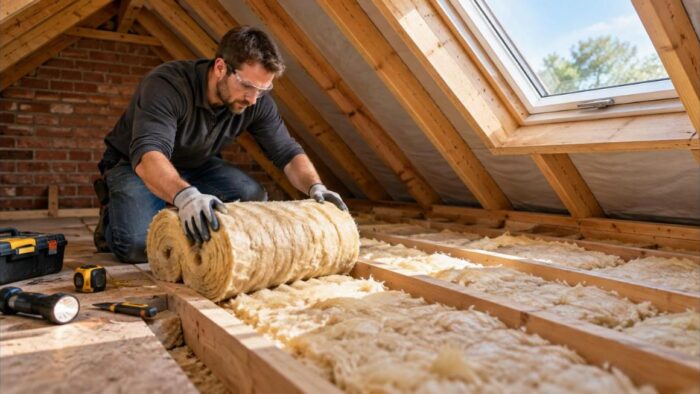
Loft insulation first if it is thin, then air sealing, then cavity wall insulation if the construction allows it, then floor insulation. These are the measures that reduce the heat you need rather than the cost of producing it, and their benefit compounds every winter.
Check what you are paying for
Compare your tariff. Look at whether a time-of-use rate suits your pattern. Check whether you qualify for any winter support or efficiency grant scheme in your area – these exist in most countries and are frequently unclaimed. And read your meter monthly so you notice a problem in week two rather than in the quarterly bill.
Do not cut too far
Letting a house get very cold risks condensation, mould and frozen pipes, and is genuinely unsafe for older people, young children and anyone with a health condition. If heating costs are becoming unmanageable, contact your supplier about support schemes rather than going without heat – most are obliged to offer help and many schemes go unused.